Applying wallpaper is no longer a "retro" technique. Modern vinyl and non-woven wallpapers hide fine imperfections, have rich textures, and add character to a room in just 1–2 days. However, a quality result doesn't happen by chance: smooth walls, proper priming, careful wallpaper application, and finishing – this is the formula that saves you from bubbles, seams, and repeat repairs. Here you will find a practical guide: when to choose wallpaper, how the process unfolds, typical mistakes, and how to compare offers.

When to choose wallpapering instead of painting
• You want a texture/relief without heavy plaster.
• You have slight defects on the walls – wallpaper with the right backing masks them better than paint.
• Are you looking for an accent wall (photo wallpaper) or a quick change without a full painting service.
• The apartment is rented – with non-woven wallpaper, removing it often becomes cleaner for the next change.
What does the quality process include
1. Inspection and specification. Measurement of walls, type of substrate (concrete, gypsum plaster, old paint), moisture.
2. Preparation of the base. Corrections, filling of fine defects, sanding, priming according to the type of wallpaper/glue.
3. Cutting and matching the pattern. Calculating the "rapport," leaving allowances for ceiling/baseboards.
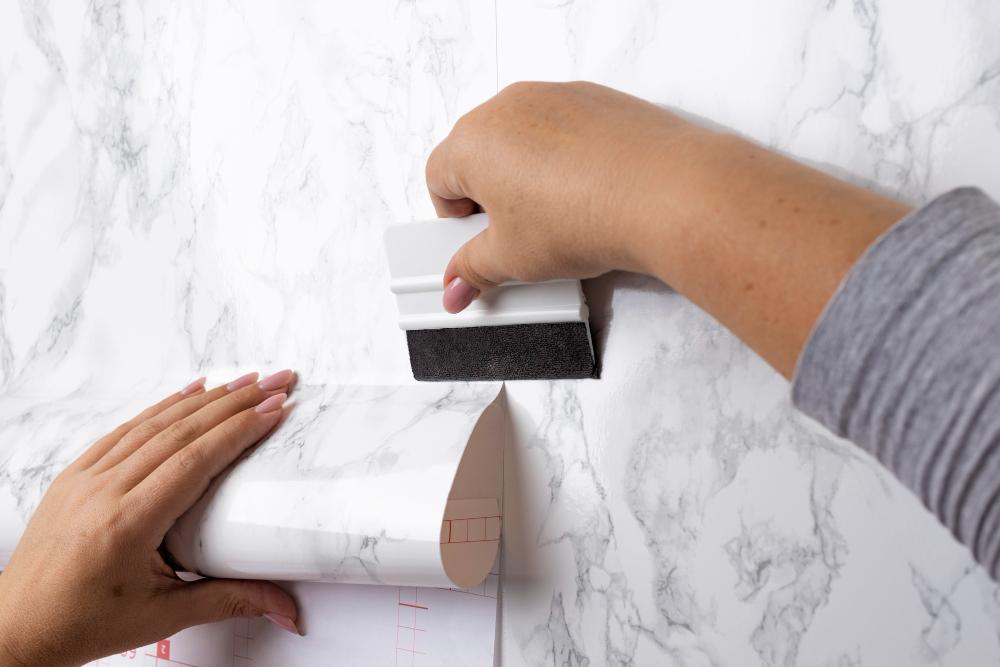
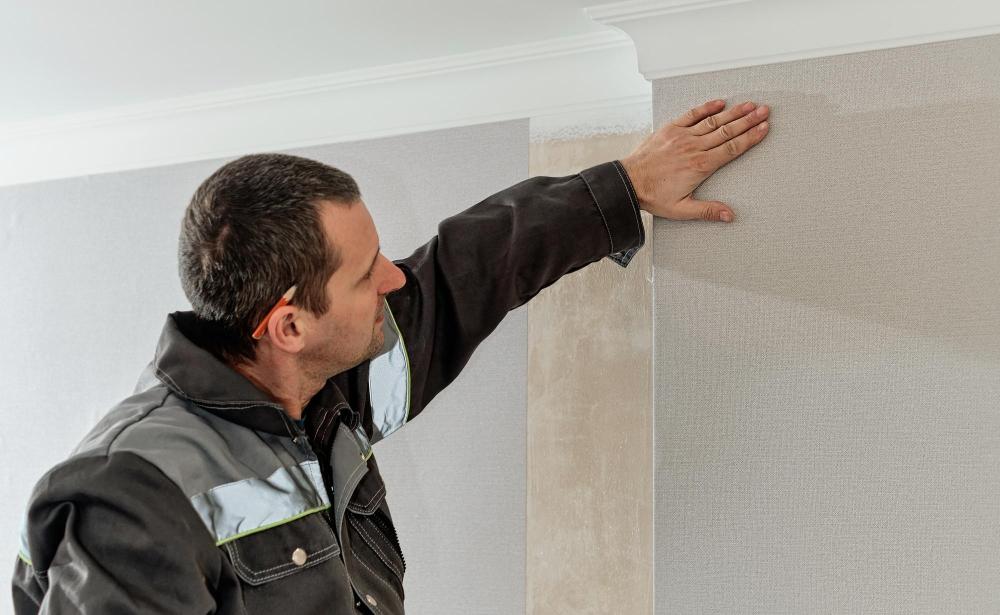
4. Wallpapering. Even application of glue, removing air, clean seams, control of corners/outlets.
5. Finish and cleaning. Seams, corrections, maintenance information, and temperature regime.
💡 Съвет: при нови стени + фини дефекти изберете флизелин + шпакловка от майстора – стои по-гладко и издържа повече.
Common mistakes (and how to avoid them)
• Skipping preparation. Without putty and priming, joints/stains become visible; the adhesive "absorbs" unevenly.
• Incorrect adhesive or technique. Vinyl ≠ paper wallpaper. Next is "bubbling" or waves.
• Lack of pattern matching. The report is calculated in advance – otherwise, the cost skyrockets.
• Incorrect cutting at corners and around contacts. Tearing/peeling ⇒ rework.
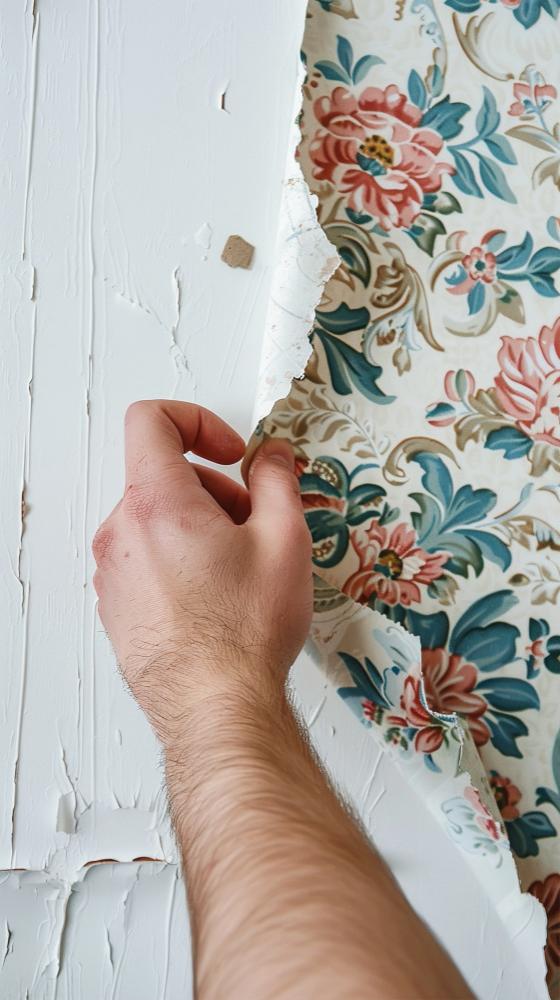
• Poor quality removal of wallpaper during replacement. Torn plaster/base = additional days and money.
More about realistic expectations and working with professionals:
— Myths about specialists: it's time to get informed, not to guess
— Designer vs. Foreman: When to Listen to Aesthetics and When to Reality
Materials and Rooms: What to Choose
• Vinyl wallpapers – durable, washable; suitable for hallways/kitchens (away from direct moisture).
• Non-woven wallpapers – stable, "forgive" small mistakes; easy to remove.
• Textile/Natural – striking, but require an experienced craftsman and careful maintenance.
• Bathrooms/very humid areas – better to use a different approach (tiles, microcement); wallpapers only with special systems.
How to compare offers fairly
Be sure to request a breakdown by stages:
• Preparation: puttying (where needed), sanding, priming.
• Installation: cutting, gluing, pattern matching, work on corners/contacts.
• Materials: glue (type/brand), tools, protective covers.
• Finish: corrections, cleaning, instructions.
• Additionally: removal of wallpaper (if there is old wallpaper), corrections to the base.
• Term and warranty.
Useful reading for process and expectations:
— What happens when the master chooses you – the unexpected side of platforms
— Freelance or platform: Why craftsmen are increasingly choosing Ofertirai.me
Mini-FAQ
How long does it take?
Small room (1 accent wall) – for a day; whole apartment – 1–3 days depending on preparation.
Do I need to take out the furniture?
Yes, at least 1 meter from the walls; the master must protect the floor.
Can I do it myself?
It is possible, but you risk material costs. For report/vinyl – we recommend a specialist.
Can I combine it with paint?
Yes – an accent wall is often done + painting services in the other rooms.
Quick action plan
1. Measure the walls; take pictures of details (corners, outlets, windows).
2. Choose the type of wallpaper (vinyl/fleece/textile) and the desired pattern/print.
3. Describe the condition of the walls – is plastering needed? Are there old coverings to remove wallpaper?
4. Send the same specification to 2–3 verified craftsmen.
5. Compare offers by stages, materials, timeline, and warranty; request sample photos "before/after."
Conclusion:
Wallpaper is a quick way to change the atmosphere at home – but the key is in the preparation and execution. With the right materials, a good craftsman, and a clear offer, wallpapering lasts impeccably for years, and maintenance is easy. Plan wisely, compare personalized offers, and enjoy the result – beautiful, clean, and long-lasting.