The facade is the "face" of the building, but it is also its protection against rain, wind, and temperature fluctuations. When facade services are done on a compromise basis, the cost is not only in currency — it is reflected in higher bills, moisture, cracks, and the rapid depreciation of the entire property. In this article, you will see where hidden costs lie, how to read offers, what distinguishes quality facade insulation, and why the right facade plaster pays back the investment.
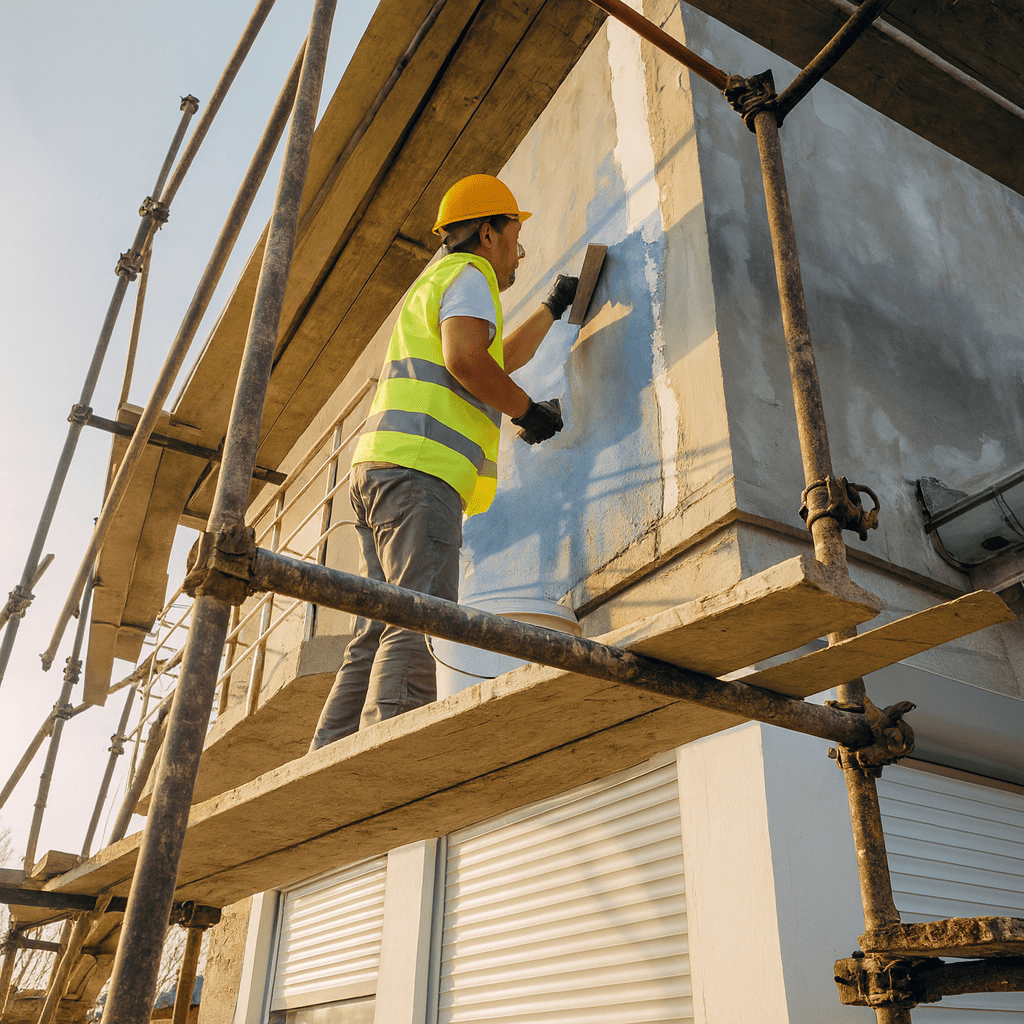
What does "poor performance" look like and why does it become expensive
• Cracks and "hairs" in the plaster after 1 season → moisture enters, freezes, and expands the layers.
• Thermal bridges from poorly bonded panels in external thermal insulation → cold walls and condensation.
• Incorrect reinforcing layer (mesh of folds, weak layer of glue) → "map" of cracks.
• Absence of detail in window frames, sills, baseboards → leaks, discoloration, chipping.
• Lack of waterproofing in critical areas (balconies, cornices) → flooded premises.
💡 Conclusion: the cheap offer often "saves" on preparatory work and details. That is where the true value lies — and the true cost of mistakes.
Myth / Fact
Myth: “If we put thick plates, everything is okay.”
Fact: The thickness is only part of the equation. The critical factors are adhesion, anchoring, the reinforcing layer, and the finish. A poor detail on the base/roof can compromise even the best insulation system.

Checklist: how to read a facade offer
1. Preparation based on: washing/priming, corrections to old plaster, puttying.
2. Materials for the system: adhesive, boards (EPS/XPS/mineral wool), dowels, reinforcing mesh.
3. Details: corner and edge profiles, starter base profile, finishing at roof/terrace.
4. Finish facade plaster: type (mineral/silicate/silicone), structure, color, warranty.
5. Waterproofing for balconies, cornices, bends, and connections to window frames.
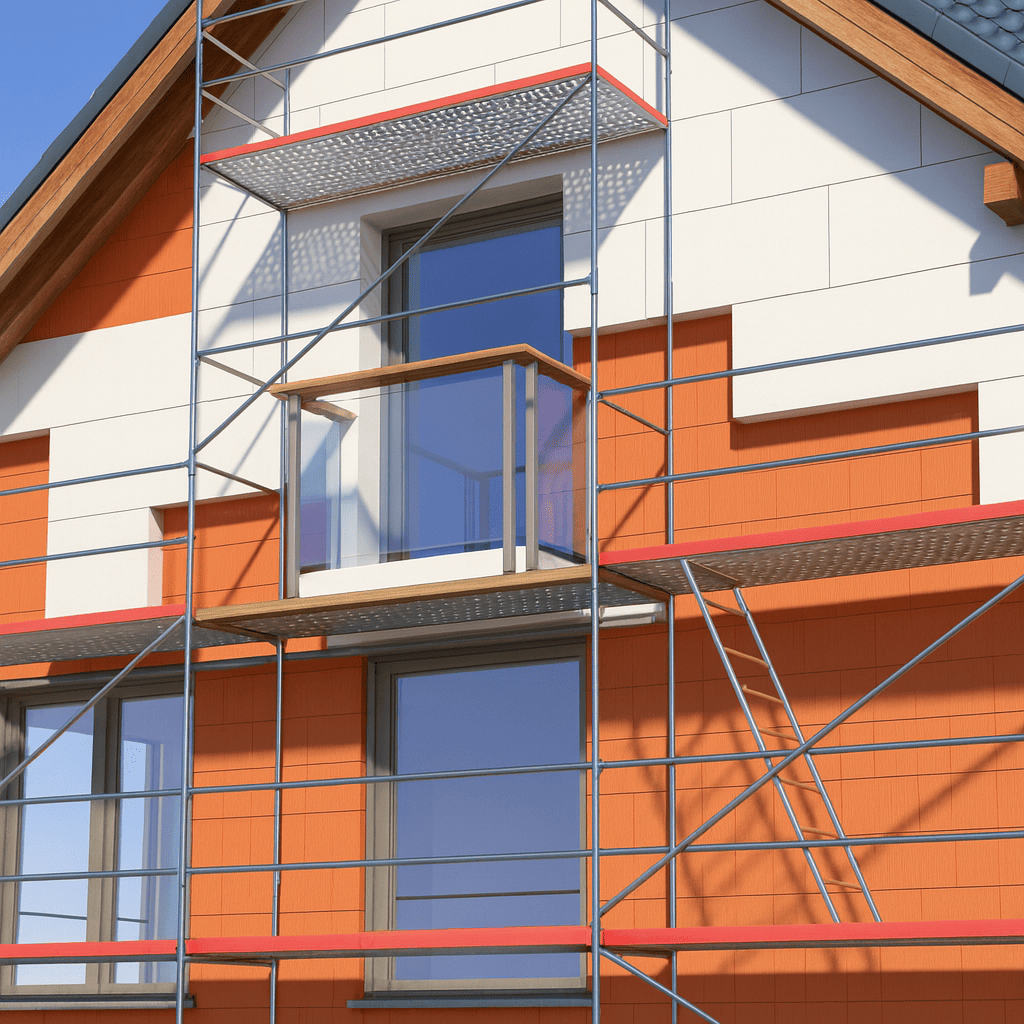
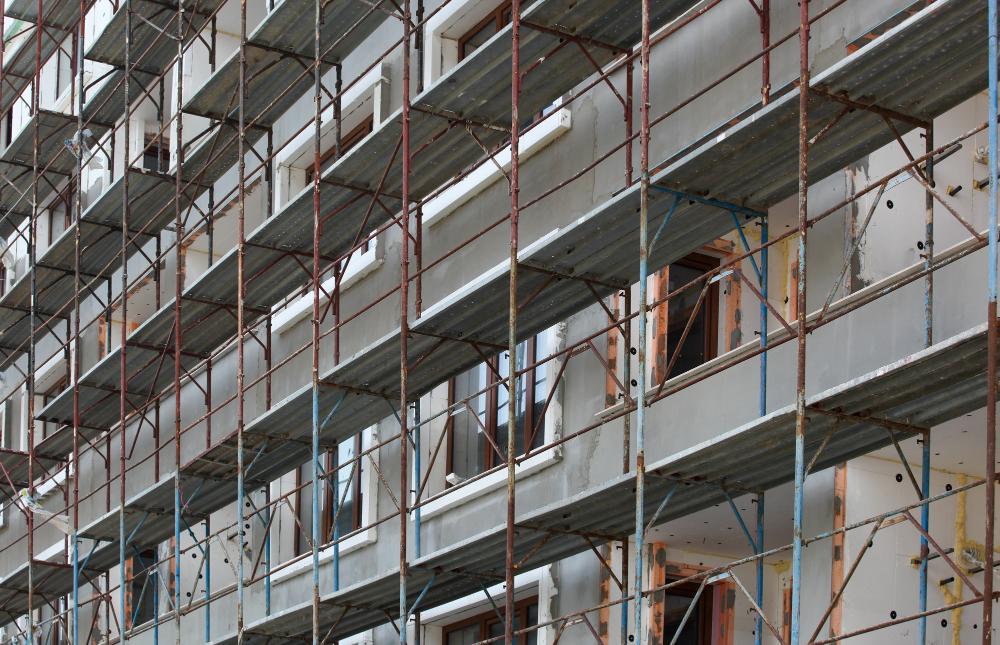
6. Scaffold: assembly/disassembly, safety measures, nets, access.
7. Schedule and warranty: stages, acceptance protocols, conditions for complaints.
The hidden costs of the compromise facade
• Energy losses: thermal bridges = higher heating/cooling bills.
• Moisture and mold: improper details at the baseboards/cornice = wet walls on the inside.
• Short lifespan: a finish that "blooms" or chips requires premature repainting.
• Interior damages: moisture in the corners, swollen plaster and paint in the rooms.
• Logistics and time: second team, new scaffolding, repetition of stages = double costs.
See more: 5 signs that it's time to call a handyman — a short checklist of when to take action instead of making temporary fixes.
What distinguishes a quality facade
• Systematic approach: the materials are compatible and recommended as a system.
• Reinforcement "without wrinkles": the mesh is evenly immersed in the glue, without bubbles.
• Detail of the plinth: starter profile, drainage, impact-resistant layer.
• Professional waterproofing of balconies and connections to window frames.
• Finishing plaster with UV resistance and vapor permeability, selected for your climate.
• Documentation: phased acceptance, warranty, maintenance instructions.
And if you want to close the cycle of "silence + warmth + good appearance" both outside and inside, read this: Roofs and Ceilings: How to Achieve Silence, Warmth, and a Good Appearance
Case in three sentences
Building with "budget" external insulation: after the first winter — cracks and a wet base. It turns out there is a missing starter profile and poor waterproofing on the balconies. Result: scaffolding again, repair of two facade panels, and interior plastering — the price becomes ×1.6 compared to the initial correct offer.
Mini-FAQ
How long does it take to renovate a facade?
It depends on the square footage, height, and access. A typical entry (4–5 floors) usually takes a few weeks in good weather with scaffolding provided.
Mineral or silicone plaster?
The mineral one is economical and vapor-permeable; the silicone one is more resistant to water/contamination and more elastic. The choice depends on location and budget.
Is waterproofing necessary if there is plaster?
Yes - waterproofing is planned in critical areas (balconies, cornices, joints) that the plaster alone cannot protect.
Conclusion:
The good facade is not "just plaster," but a system of the right materials, details, and stage control. Compromises end up costing more: energy losses, moisture, cracks, and a second scaffold after a few months. To pay once and get a long-lasting result, demand a systematic offer, clearly described stages, photographic acceptance, and a warranty. If you already see symptoms (wet corners, cold walls, "blooming" finish), take photos, describe the problems, and compare 2–3 personalized offers from verified teams in Ofertirai.me — your facade will reward you for years to come.