The neighbor is renovating, and the child is having trouble falling asleep? Or are you working from home and the "open" staircase echoes every sound? Soundproofing doesn't just mean "let's put up another wall" — an effective solution is a combination of the right materials, installation, and details (door, floor, ceiling, joints). Below is a simple yet effective plan on how to bring back the silence.
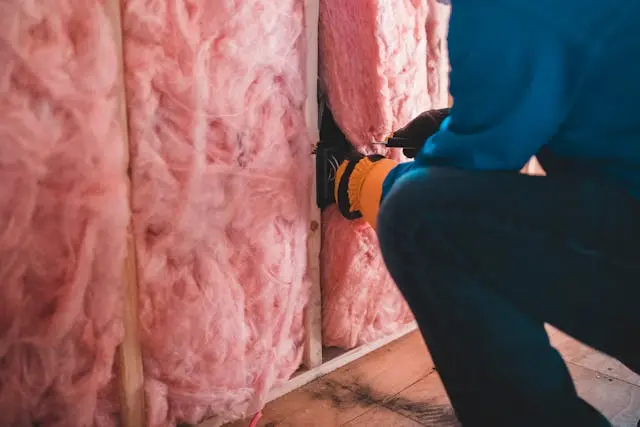
Why is there noise despite the "thick walls"
The sound travels through the air (speech, television) and through structures (impacts, footsteps, drill). The mass of the wall does not solve everything on its own — layers with different properties are needed: mass (to stop the air), elasticity/dissipation (to "dampen" vibrations), and proper sealing of edges, joints, and boxes. Therefore, combinations such as wall soundproofing + ceiling soundproofing + sealed soundproofing of the door often yield noticeable results.
Myth / Fact
Myth: "One sheet of drywall is enough."
Fact: A single layer is rarely sufficient. A better effect is achieved by installing drywall on a decoupled structure + acoustic mineral wool + a solid board (or double layer) and acoustic panels/membranes as needed.
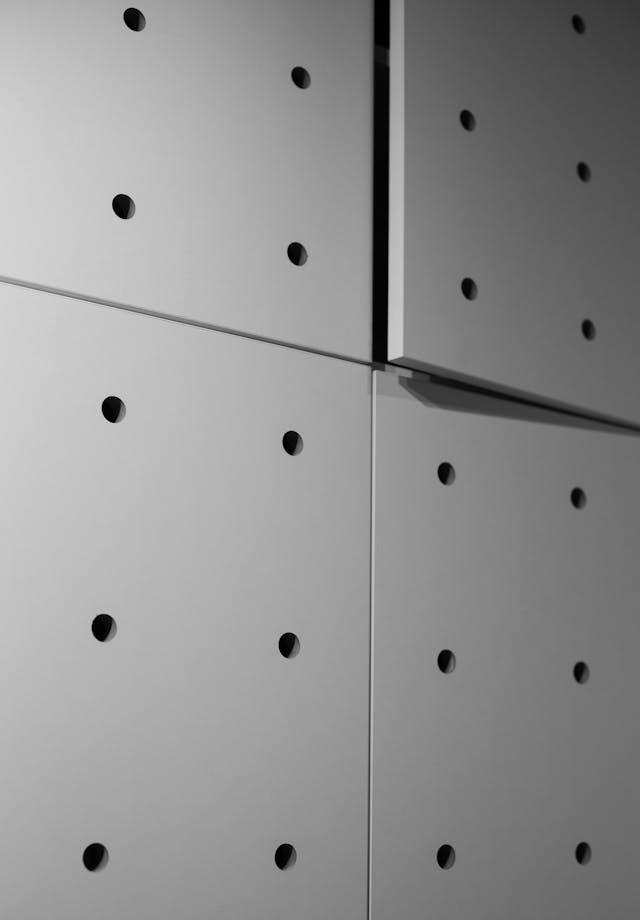
Where do we lose the most
• Doors and gaps: spaces under the wing, thin hollow doors → weak sound insulation of the door.
• Ceiling: footsteps from above and impacts are transmitted structurally → sound insulation is needed for the ceiling with a detached metal grid.
• Floor: solid connection flooring–screed–slab → helps sound insulation under (underlays, floating floor).
• Installations: “back-to-back” outlets, pipes, ventilation ducts — without sealing, they are “tunnels” for sound.
• Lightweight partitions: thin walls without mass — require a system with mass + insulation + deformation.
What really works
1) Walls: detached structure + mineral wool + double installation of drywall (or a combination with acoustic panels). Sealing of the perimeter and junction boxes.
2) Ceiling: suspended grid (anti-vibration hangers), insulation, and double layer of panels.
3) Floor: floating system – elastic underlayment/membrane + flooring; pay attention to the edges near the walls (expansion joints).
4) Door: solid leaf, heavy frame, perimeter seals, and automatic drop seal; for entrance doors – the priority is sound insulation of the door with a focus on the threshold.
5) Details: joints with acoustic sealants, without rigid bridges; finish with quality plasters/putties to prevent cracking at the edges.
💡 Tip: We are not chasing “zero decibels,” but comfort. Sometimes a reduction of 8–12 dB changes daily life more than the “ideal” laboratory.
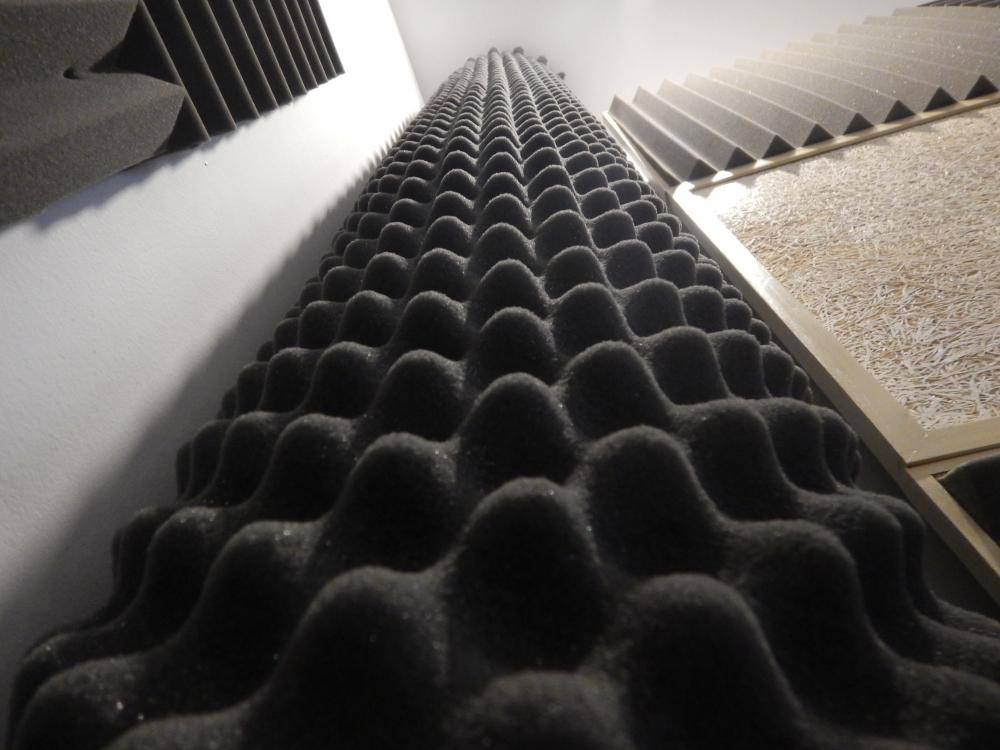
Mini case: living room to the stairwell
Problem: speech and steps through the shared wall + opening to the corridor.
Solution: sound insulation on the wall with a decoupled frame, 50 mm insulation, double drywall, and acoustic membranes around the outlets; for the corridor — a solid interior door with door soundproofing (seals + bottom strip).
Result: significant reduction in speech noise and quieter evenings (without changes to the furniture).
Useful reading: when the specification makes the difference — Why do the services at Ofertirai.me start with a question instead of a fixed offer?
How to order professionally and without unpleasant surprises
1. Describe the source of noise (hours, type: speech/music/footsteps/machines).
2. Photos/video of the problem areas: wall, ceiling, door, outlets.
3. Measurements (lengths/heights), notes on installations and flooring.
4. Requirements (priority room, how many cm we can "lose", budget/timeframe).
5. Compare 2–3 customized offers: layered system, materials (insulation/membranes/boards), disassembly, seals, finish, deadline, warranty.
There is a more detailed step-by-step guide here: How to order a service on Ofertirai.me?
Common mistakes and how to avoid them
How thick does the layer become? 5–10+ cm according to the system. If the area is critical — there are thin solutions, but with a more moderate effect.
Can I only use "acoustic panels"? They improve the acoustics in the room (echo), but do not block external noise. They are combined with sound insulation on the wall/ceiling.
How long does it take? From 1 day for a small wall to several days for a room (including drying/finishing).
Will it help with footsteps from above? Yes — but mainly with ceiling soundproofing (disconnection + insulation + panels).
And what about a children's room? Often a combination: wall to the corridor + soundproofing of the door.
Conclusion:
Silence is a matter of system, not a "wonder material." When you combine mass, decoupling, and sealing — the result is predictable and lasting. Choose an experienced team, demand a specific system for your case, and monitor the execution with a checklist — your home will sound like a home, not like a hallway in an apartment building.