The building "looks" good, but the walls are cold, the bills are rising, and your home overheats in the summer? These are clear signals that it's time for renovation and insulation. Quality thermal insulation and proper facade insulation reduce energy costs, increase comfort, and protect your property for years to come — as long as they are done professionally. Below: what are the common mistakes, the "hidden" costs of poor execution, and how to choose the right materials and team..
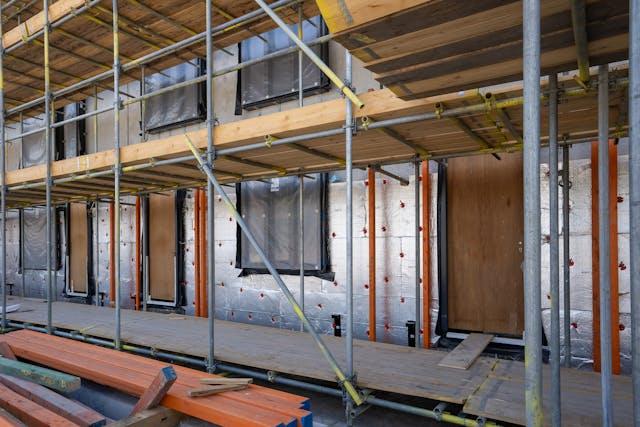
What poorly executed insulation looks like
• Thermal bridges at slabs/columns → mold, condensation.
• Torn mesh and thin putty → microcracks already in the first winter.
• Incorrect gluing of EPS/XPS (spot instead of frame+balls) → cavities, external insulation "rattles".
• Wrong dowels or few dowels → the plates "play" in the wind.
• Inappropriate finish on mineral/stone wool → wetting and decrease in effectiveness.
The result? High bills, facade repairs much earlier than expected, and often re-insulation.
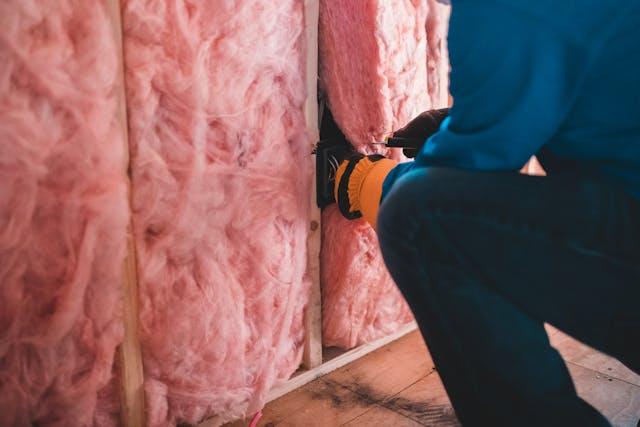
Myth / Fact
Myth: "More centimeters = always better."
Fact: Thickness is important, but the installation technique, the mesh, the anchoring, and the finish are critical for the actual effect.
Which materials when
• EPS/XPS: good "price/effect" for mass facades; XPS is more resistant in areas with load/moisture (plinth).
• Mineral/stone wool: excellent sound insulation and vapor permeability; requires proper finishing and details around openings.
• Waterproofing (terraces, flat roofs, wet rooms): without it, thermal insulation suffers — water compromises the layers and makes the damage expensive.
💡 Tip: When using mixed solutions (cotton + EPS), plan the details of the transition and the cladding to avoid cracks.
For the balance between beautiful design and correct technology, see also Дизайнер vs. Бригадир: Кога да слушаш естетиката, и кога – реалността
“Hidden” costs of poor performance
• Scaffolding and labor during repairs — often up to 30–40% of the cost of the original insulation.
• Heating/Cooling Expenses remain high due to thermal bridges.
• Moisture damage for plastering, drywall, and window frames.
• Reduced property value (visible cracks, delaminated areas).
• Shorter lifespan of the system due to incorrect finish or lack of profiles/trim.
More about common misconceptions and how to recognize them: Myths about specialists: it's time to get informed, not to guess.
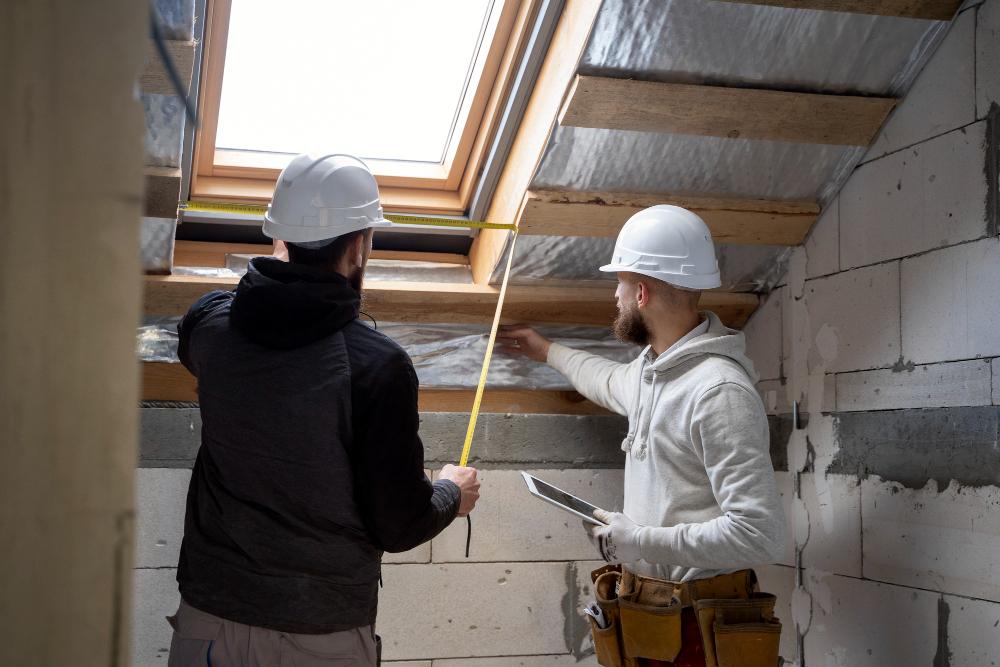
Checklist: how to compare offers fairly
1. System, not "just materials": brand of adhesive, dowels, mesh (160 g/m²), finish; certificates.
2. Installation technique: gluing (frame + beads), dowel scheme, details at windows/sill.
3. Thickness and λ (thermal conductivity): justification according to walls/climate.
4. Waterproofing of critical points (terrace/roof) and connection with the facade.
5. Warranty and acceptance protocol: photos of the layers, adhesion test, addressing of "bridges".
6. Safety and Waste Plan (scaffolding, nets, protection of common areas).
Mini case: "spot gluing" → big problems
Situation: facade with EPS, glued "on points"; without enough dowels; finish - thin acrylic plaster.
After 2 winters: cavities, cracks diagonally on windows, black belts of moisture.
Correction: dismantling of areas, new gluing and doweling, reinforced mesh, more durable finish — the total cost exceeds the initial savings.
How long and what does the budget depend on
The time varies depending on the area, number of floors, accessibility, and season. Small external insulation for an apartment can take 3–7 days; an entire building — phases by entrances. The budget depends on thickness and λ, type of boards (EPS/XPS/wool), profiles, and finish, as well as the necessary waterproofing and cladding. Request a clear breakdown by layers and details, not a "package.".
How to act now
• Take pictures of the problem areas (mold, thermal bridges around slabs/columns/windows).
• Describe the walls (brick/panel/white concrete) and the orientation (north/south).
• Specify priorities: energy efficiency, sound insulation, sustainable finish.
• Request 2–3 personalized quotes based on the same specifications (materials, equipment, warranty).
• Choose a team with real projects, layer photos, and clear contractual terms.
Conclusion
Poorly executed insulation is expensive in the long run — you pay twice, live with mold, and face high bills. Proper renovation and insulation with selected materials (EPS/XPS or mineral/stone wool), correct techniques, and quality finishes bring silence, warmth, and lower costs for decades to come..