In medicine, "works-doesn't work" is not an option — the equipment must be accurate, safe, and always available, and every minute of downtime costs money and poses a risk. Therefore, quality service for medical equipment is not an expense, but an insurance: timely diagnostics, proper repairs, calibration, and clear documentation.
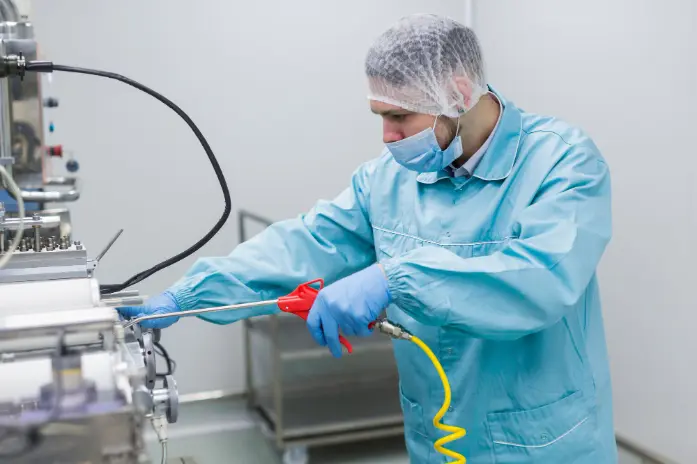
What does good service cover
• Diagnostics and repair: locating the fault, replacing spare parts, testing.
• Calibration and verification: comparison with traceable standards; accuracy protocols.
• Prevention: cleaning, lubrication, checks of cables/sensors, failure prevention.
• Documentation and traceability: service protocols, serial numbers, repair history.
• Safety and electrical safety: leakage measurements, grounding, functional tests.
💡Tip: request a maintenance plan (monthly/quarterly/annual) and standard response times for emergency service.
7 signals that it's time for service
1. Slower start/self-diagnosis of the device.
2. Unstable results or questionable tests.
3. Noise, heating, or smell of burning.
4. Frequent "freezes"/restarts.
5. Errors after software/firmware update.
6. Physical traces: worn cables, oxidized connectors, weak contact.
7. Expired deadlines for calibration/certification.
The true cost of poorly executed service
“Cheap” repairs often miss the root cause — a module is replaced “on a whim,” without full diagnostics and verification. The result is:
• More downtime and missed patients.
• Repeat visits, payments "in installments".
• Safety risk with unverified electrical parameters.
• Controversial accuracy of measurements without any trace of calibration.
Useful reading: Митове за специалистите: време е да се информираме, не да гадаем — how to recognize competence and process, not "promises".
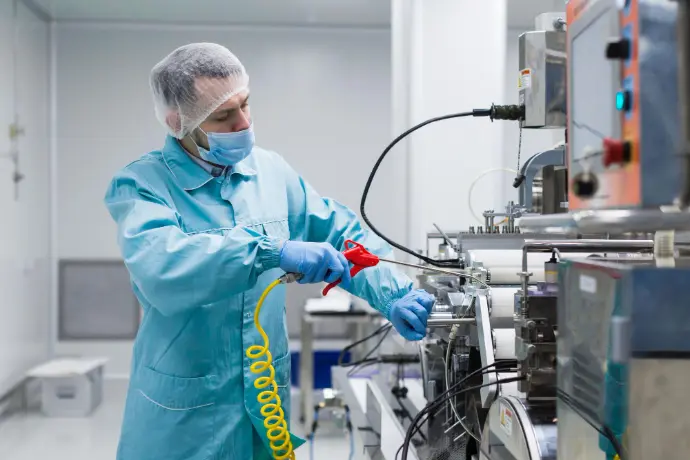
How to Compare Offers Fairly
Ask about:
• Scope: what tests and calibrations are included; whether there is documentation and protocols.
• Response time: standard/urgent; availability of spare parts.
• Warranty: for labor and for parts; duration and conditions.
• Certification/competence: experience with the specific class of equipment; access to service manuals.
• Traceability: how data for repair/calibration is stored (history by serial number).
More on the topic: How to order a service on Ofertirai.me? — steps for a clear request and accurate offers.
Mini case: "quick module" vs. full process
The clinic sends a signal: the device reports instability. The first service replaces the module "on trial." The problem returns — it turns out that the root cause is in the power supply unit and oxidized connectors on the sensor. With the second team: diagnostics, power supply repair, cable replacement, complete calibration, tests, and protocol. The downtime is one day, and the device enters regular maintenance mode.
✅ Conclusion: the systematic process (diagnosis → repair → calibration → documentation) is cheaper in the long run than "quick" replacements.
How a well-organized service operates
1. Preliminary request with symptoms, photos, errors (if any).
2. Initial on-site inspection: visual examination, electrical safety.
3. Diagnosis with reference tools and tests by procedure.
4. Repair/replacement of parts with warranty and traceability.
5. Calibration according to standard; printout/electronic protocol.
6. Functional test with test scenarios from real work.
7. Documentation: report, recommendations for prevention, next dates.
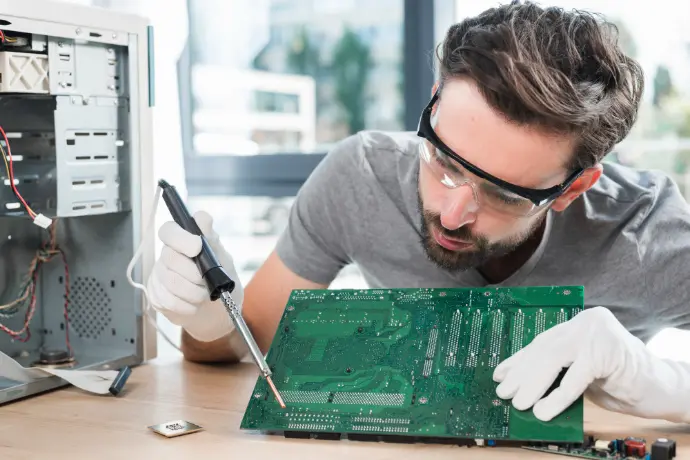
Application Checklist
• Model/serial number; software version.
• Description of the symptoms and when they occur.
• Last calibration/preventive maintenance date.
• Availability of a backup device/desired time slot for visit.
Frequently Asked Questions
How long does it take? Minor intervention: hours; complex repair/parts: 1–3 days (depending on availability).
Is calibration required after repair? Yes — every intervention requires verification and documentation.
Do you offer emergency service? Yes — please specify the response time and any surcharges in the offer.
What is the situation with the warranty? Look for a separate warranty for labor and for spare parts.
Conclusion:
The reliable service of medical equipment is a process, not a "one-time fix." When you have clear procedures, documented calibration, and predictable maintenance, you gain time, peace of mind, and safety for the team and patients. Choose teams with experience, traceability, and guarantees — this way, the equipment works exactly when it is needed the most.