The flood and the fire are two of the most stressful situations that can affect a home or office. They cause damage that is not only visible on the surface – moisture seeps into walls and flooring, while smoke and soot embed themselves in furniture, appliances, and textiles. Sometimes a person feels powerless in the face of the scale of cleaning and restoration.
That is why professional cleaning after floods and fires is a service that can restore the feeling of order, security, and normalcy much faster than individual efforts.
What does the service "Cleaning after floods and fires" include?
This is not standard cleaning, but a specialized service that requires equipment, experience, and knowledge of deep restoration techniques.
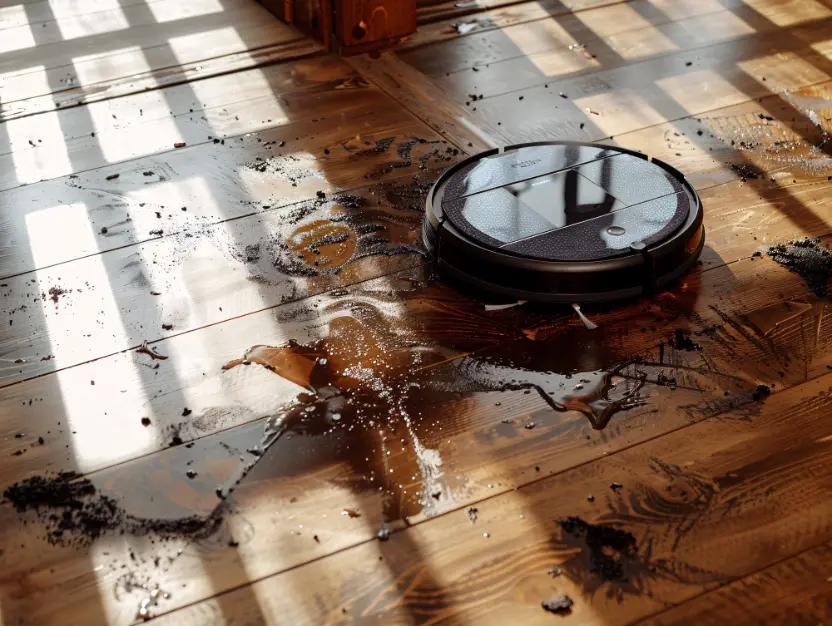
When cleaning after a flood, the task begins with removing the residual water, drying the rooms, and treating for mold. Moisture is insidious – it lingers in the walls and floors for a long time, which is why experts use powerful dehumidifiers, moisture meters, and antibacterial agents.
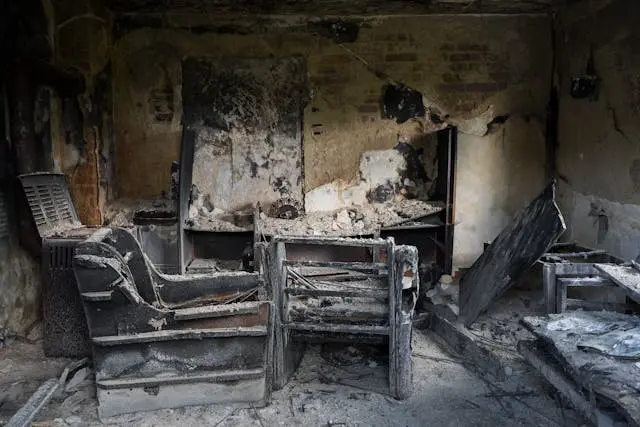
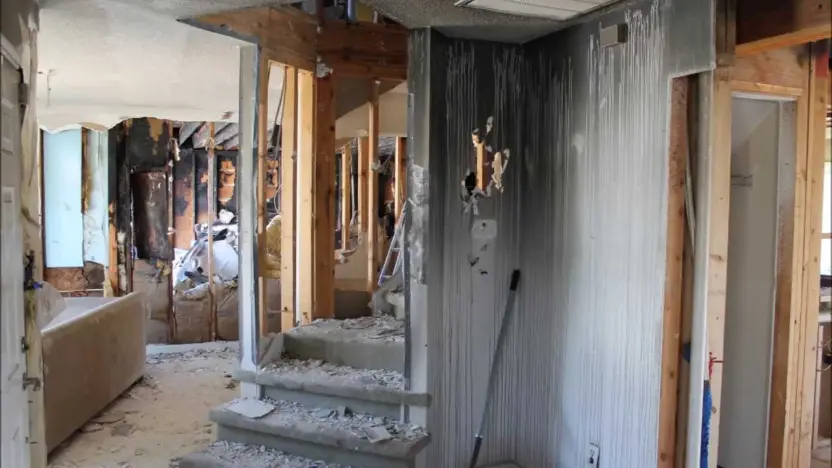
When cleaning after a fire, the biggest enemies are soot, smoke, and the smell of burnt materials. They penetrate cracks, upholstery, and appliances. The professional team uses special cleaning agents, ozone generators, and steam cleaners to completely remove the remnants of burning and restore the air in the room.
How does the process unfold
When ordering cleaning after a fire or flood, the team first conducts an inspection to assess the damage. This is an important step because it helps to choose the right approach:
- How much moisture has penetrated and where?
- Is there a risk of mold in the coming days?
- Are the soot deposits superficial or have they penetrated deeply?
- Should furniture, textiles, and appliances be treated?
After the inspection, a plan is created and work begins: drying, steam cleaning, upholstery cleaning, wall cleaning, floor treatment, odor removal, and disinfection.
In more severe cases, the team may recommend the disposal of damaged items that cannot be safely restored.
Why cleaning up after damage should not be delayed
Many people try to clean up the damage themselves first, but without professional equipment, the result is often temporary.
After a flood, moisture can lead to:
- the appearance of mold in just 48–72 hours;
- damage to floor coverings;
- cracking of walls;
- unpleasant persistent odors.
After a fire, smoke and soot can:
- to damage devices;
- to cause irritation to the eyes and respiratory tract;
- to be permanently secured to surfaces;
- to reduce the air quality in the room.
Therefore, timely cleaning is not just an aesthetic action, but a measure of health and safety.
Practical tips on what to do until specialists arrive
✔ Do not plug in electrical appliances if they have been wet or exposed to smoke.
✔ Ventilate, but avoid drafts that carry soot.
✔ Do not wash the walls after a fire – this may further embed the soot.
✔ Document the damages with photos in case you will be filing an insurance claim.
✔ Don't rush to throw things away – the professional will assess what can be saved.
💡 Read also:
Installation and setup of satellite television: how to get a stable signal without stress
Glass with Thought: How to Order Glass Services Without Mistakes
How Ofertirai.me facilitates the process
When you have experienced a fire or flood, the last thing you need is to call dozens of places in search of help.
In Ofertirai.me You can easily find disaster cleanup specialists – all with verified profiles, ratings, and real projects.
With a few clicks:
- You are submitting an application
- You receive offers from teams in your area
- You compare prices, deadlines, and reviews
- You choose the most suitable specialist
The platform operates in over 40 Bulgarian cities and is completely free for clients.
The chat and status system facilitates communication and order tracking.
Conclusion:
Cleaning up after a flood or fire is not just a cosmetic task – it is an important step towards restoring the home and peace of mind.
When you trust a professional team, damages are minimized, health risks are reduced, and recovery is much faster.